Advertised, Not Offered: What "Accessible" Actually Means in Tourism
Advertised, Not Offered: What "Accessible" Actually Means in Tourism
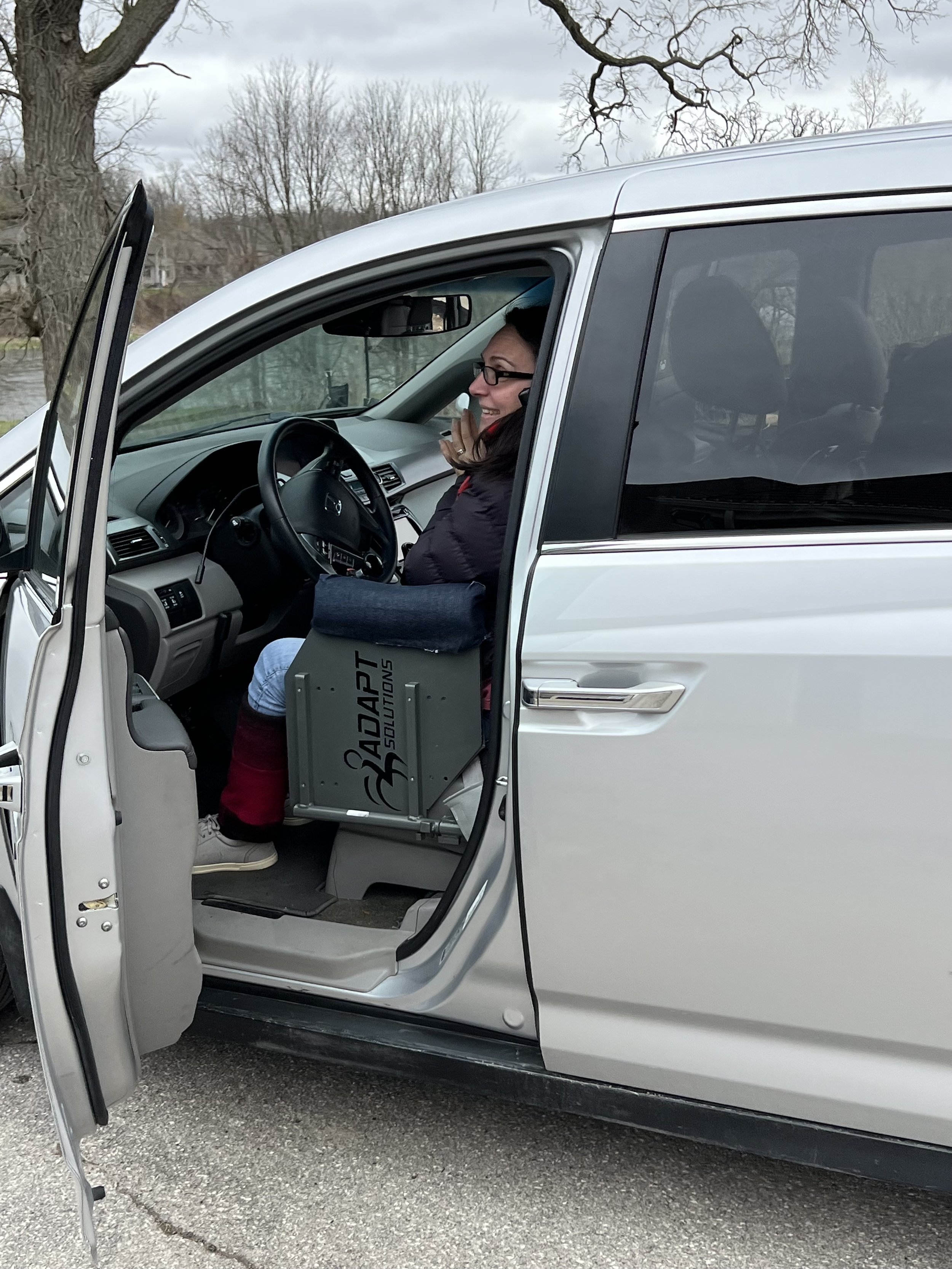
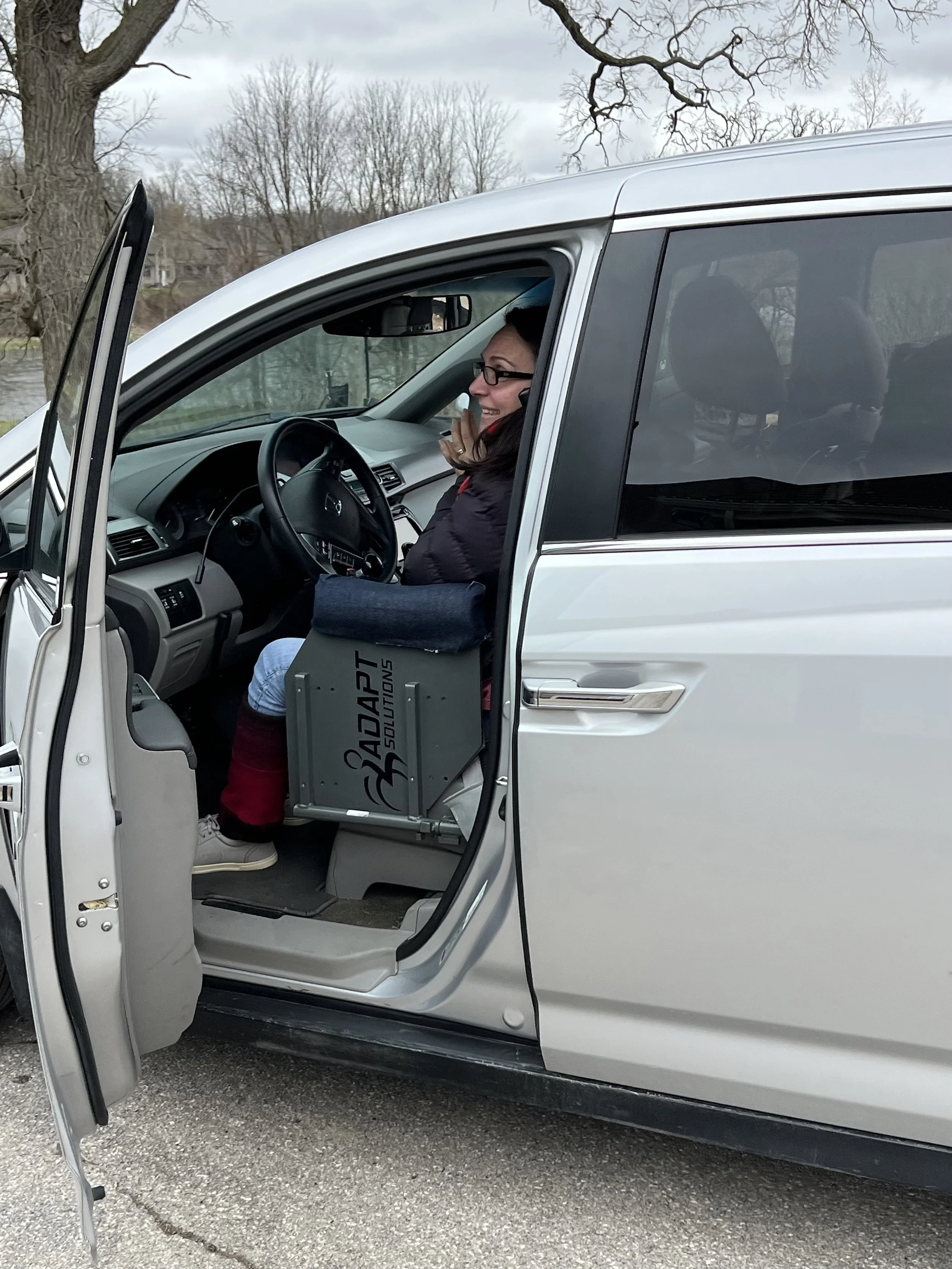
In Vernon, you need a car to go anywhere that matters. The lake, the mountain, the river — none of it is reachable without one. There's no accessible taxi fleet standing by, no bus route that gets you to a trailhead. Travel isn't about the hotel room. It's about what the region actually has to offer, and in a place built around vast outdoor space, "what it has to offer" is almost entirely out of reach without a personal vehicle.
For years, that meant I couldn't do it. With young kids, there was no way to explore those spaces without other adults along to drive. This time, I thought that had changed. I'd heard Hertz offered hand controls. I could be the one behind the wheel — not dependent on whoever else happened to be free that week, but actually autonomous in how I moved through the place.
Except every time I asked, I was told the same thing: hand controls weren't available at that location. Not once. Repeatedly, at multiple locations, for a feature the company advertises as a standard accommodation.
Autonomy isn't a minor psychological preference. It's one of the core needs self-determination theory identifies as essential to wellbeing — the basic sense of acting from your own choices rather than being managed by someone else's schedule and availability (Ryan & Deci, 2000). Depending on a driver isn't the same as choosing to travel with one. One is a preference. The other is a constraint dressed up as a lifestyle.
Rental cars aren't the only place this shows up. In Toronto, researchers studying accessible taxi services found the same pattern in a different form: service denials, unreliable vehicle availability, and policies too inflexible to meet riders' actual needs (Comeau, Kelly, Hamdani, & Ross, 2024). The same research cites a striking national number: 17.8% of disabled Canadians report being effectively housebound due to the unavailability of accessible transportation — buses, vans, taxis — not because no accessible option exists on paper, but because it doesn't reliably exist in practice (Statistics Canada, 2021, as cited in Comeau et al., 2024). That's not a rural problem or a rental-car problem. It's the same gap, everywhere: between what's listed as available and what a disabled person can actually get their hands on when they show up.
That gap matters more than it might seem, because it doesn't just cost one canceled outing. It teaches an entire industry that the bar is lower than it should be. When a company can advertise an accommodation it doesn't reliably provide, and face no real consequence for it, every other company in the sector learns the same lesson: the promise is enough. The delivery is optional.
Real accessible tourism means the infrastructure exists before someone needs it — not a phone call, an asterisk, and an apology after the trip is already booked. Until car rental companies, taxi services, and transit systems treat access to independent movement as seriously as they treat access to a reservation system, "accessible" will keep meaning something different depending on whether you're reading the ad or living the trip.
If there's something to take from this:
Get it in writing, every time. Request written confirmation of the specific accommodation before you book — not a verbal assurance over the phone. A paper trail is what turns one denial into evidence of a pattern, rather than a story no one can verify after the fact.
File the complaint, even when it feels pointless. A complaint that seems to go nowhere is still data — and it's exactly what eventually built the case that might change the policy.

written by
Marjorie Aunos, PhD., is an internationally renowned researcher, adjunct professor, clinical psychologist, and award-winning inspirational speaker from Montreal, Canada.
Recent Blog