The Legacy We Leave by Showing Up
In 2019, I planned a two-week trip to Scotland for my whole family. I'm usually the planner, because I know what I need in terms of accessibility — it's easier for me to plan things that will include me.
On that trip, I was included until the kids came to tell me they really wanted to climb a mountain. My only possible answer: "Of course you do!" And off they went.
Five years later in Hawaii, the kids wanted to climb a mountain again. I tried to go with them, and had to come to the same conclusion: if I wanted them to experience the sights, they needed to leave me behind, once more.
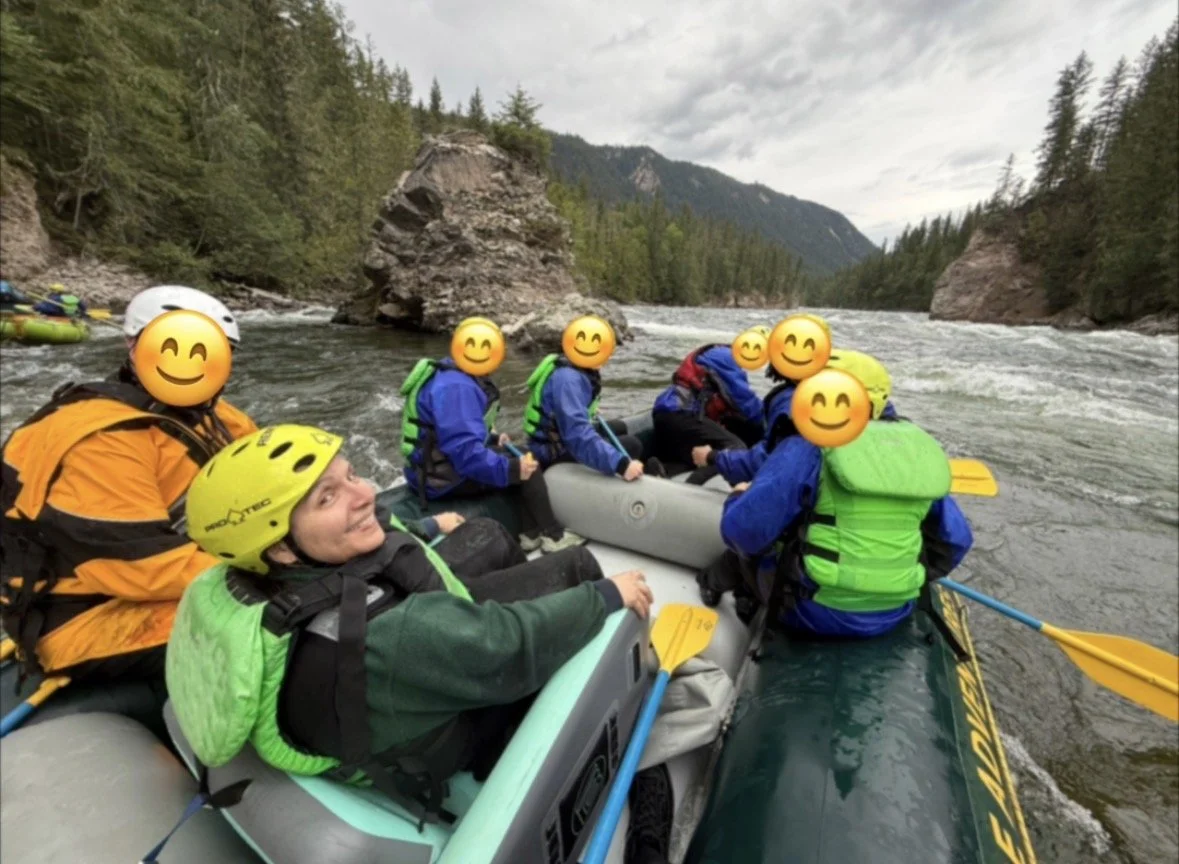
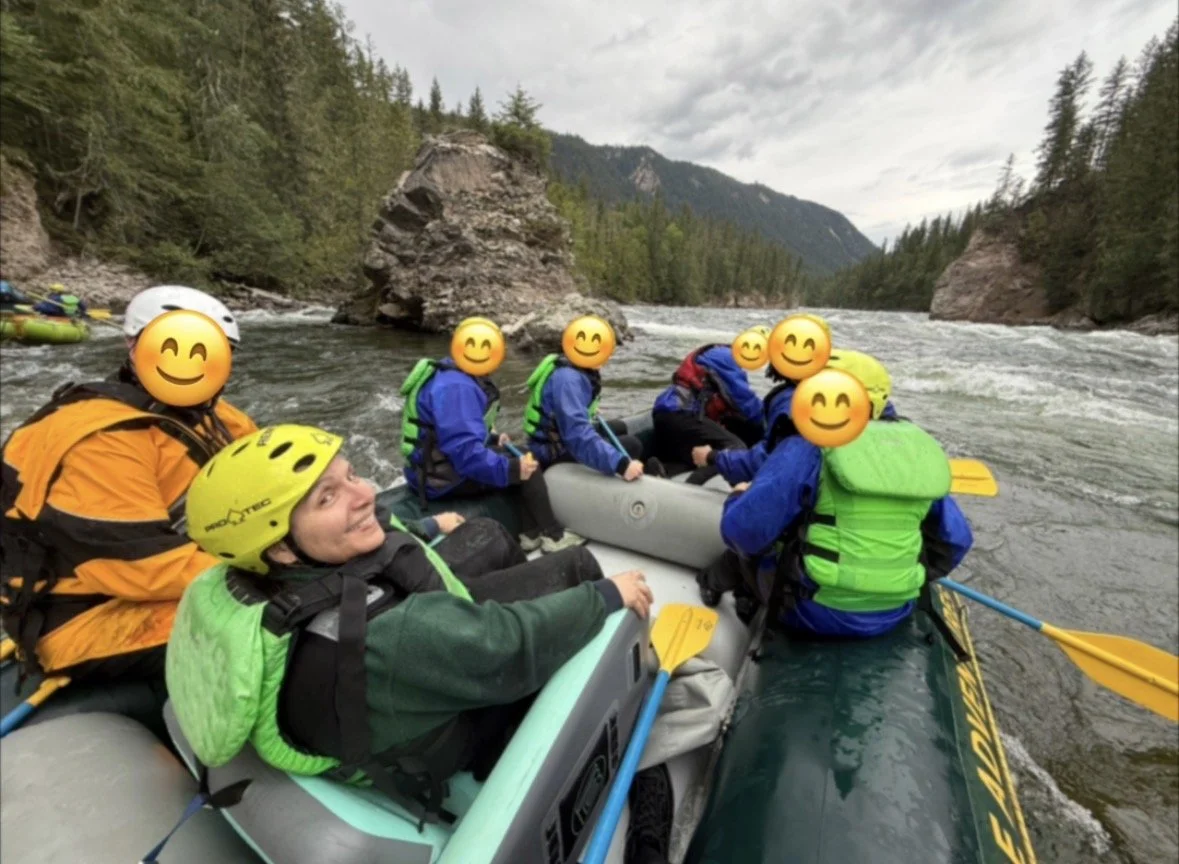
This summer, my family traveled to British Columbia and filled the days with the outdoors — hiking, exploring, and eventually, rafting. This time, something different happened. I wasn't left behind.
Scotland and Hawaii had taught me the pattern: I plan the trip, and at some point, I watch everyone else go do the thing I can't do, then hear about it afterward. This trip broke that pattern.
Rafting took real logistics: getting me close to the river, then onto the boat, then safely into the rapids. None of it was simple, and none of it was automatic. It took planning, patience, and people willing to figure out the pieces as they came up. But it happened. I was on the water with my family, not waiting at the shore for the story afterward.
Here's the part I didn't expect. On the way home, my 11-year-old nephew was already talking about our next adventure — and he said to his mother, unprompted, that we needed to make sure we found activities I could do too.
Nobody taught him that. I didn't sit him down and explain accessibility, or make a point of it during the trip. He just watched what happened when I was included, and it became, for him, the obvious standard for what a family adventure should look like going forward.
This lands the week of National Grandparents' Day in Canada — a day usually built around grandparents and grandchildren. My story is a step over from that: an aunt and a nephew. But the mechanism is identical. It's a younger person watching an older relative move through the world and quietly absorbing what's normal because of it — the same thing that happens across every generation in a family, grandparents included.
This is what I mean when I talk about the legacy we leave by showing up. Legacy doesn't only live in the big, visible things — a body of work, a keynote, a book. It also lives in the small, mostly invisible moments where someone is watching how you move through a limitation, and quietly deciding what's normal because of it. My nephew didn't learn a lesson about disability inclusion. He learned that accessibility is just what a good family trip looks like — because that's what he saw.
That's also the part that surprised me most: accessibility wasn't a compromise on the trip, or an accommodation everyone tolerated. It was fun — for me, and for everyone who got to have the adventure with me instead of around me.
And that's really the joy of it: I got to be there. Not hear about it afterward — actually there, in the rapids, part of the story instead of the person the story gets told to later.
If you want to live with this kind of legacy in mind, two things worth trying:
Let people see the process, not just the outcome. Legacy doesn't build in the polished, after-the-fact version of a moment — it builds when someone watches the effort, the improvising, the figuring-it-out. Don't hide the logistics; they're the part that actually teaches something.
Look for the small, repeatable moment, not the grand gesture. You don't need one big legacy-defining act. You need to keep showing up in the ordinary ones, because those are the moments someone is actually watching.
This is the heart of what I explore in my keynote Still Shining Bright: legacy isn't built in a single defining moment. It accumulates in the small ones — the ones you don't realize anyone's watching until, years later, you hear what they took from it.
That's legacy. Not a plan you build. A pattern someone else picks up because you lived it in front of them.
***
A huge thank you to: Adaptive Adventures and Riverside Rafting for making it happen!

written by
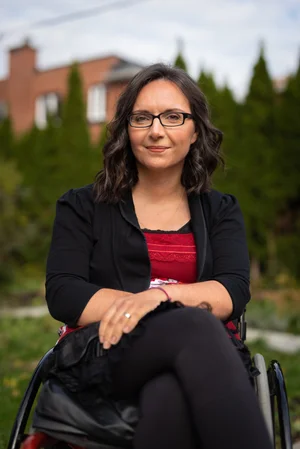
Marjorie Aunos, PhD., is an internationally renowned researcher, adjunct professor, clinical psychologist, and award-winning inspirational speaker from Montreal, Canada.
Recent Blog